I have never much liked the phrase ‘this breed is right for everyone’. Such breeds probably do not exist, just as no two people are alike. So let us try to picture the person for whom a Selkirk really would feel at home.
Our future owner may work long hours and sometimes be away from home for quite a while. A Selkirk is not usually the sort of cat who will dismantle the flat out of sheer boredom while you are gone. Most likely, they will sleep peacefully through much of that time.
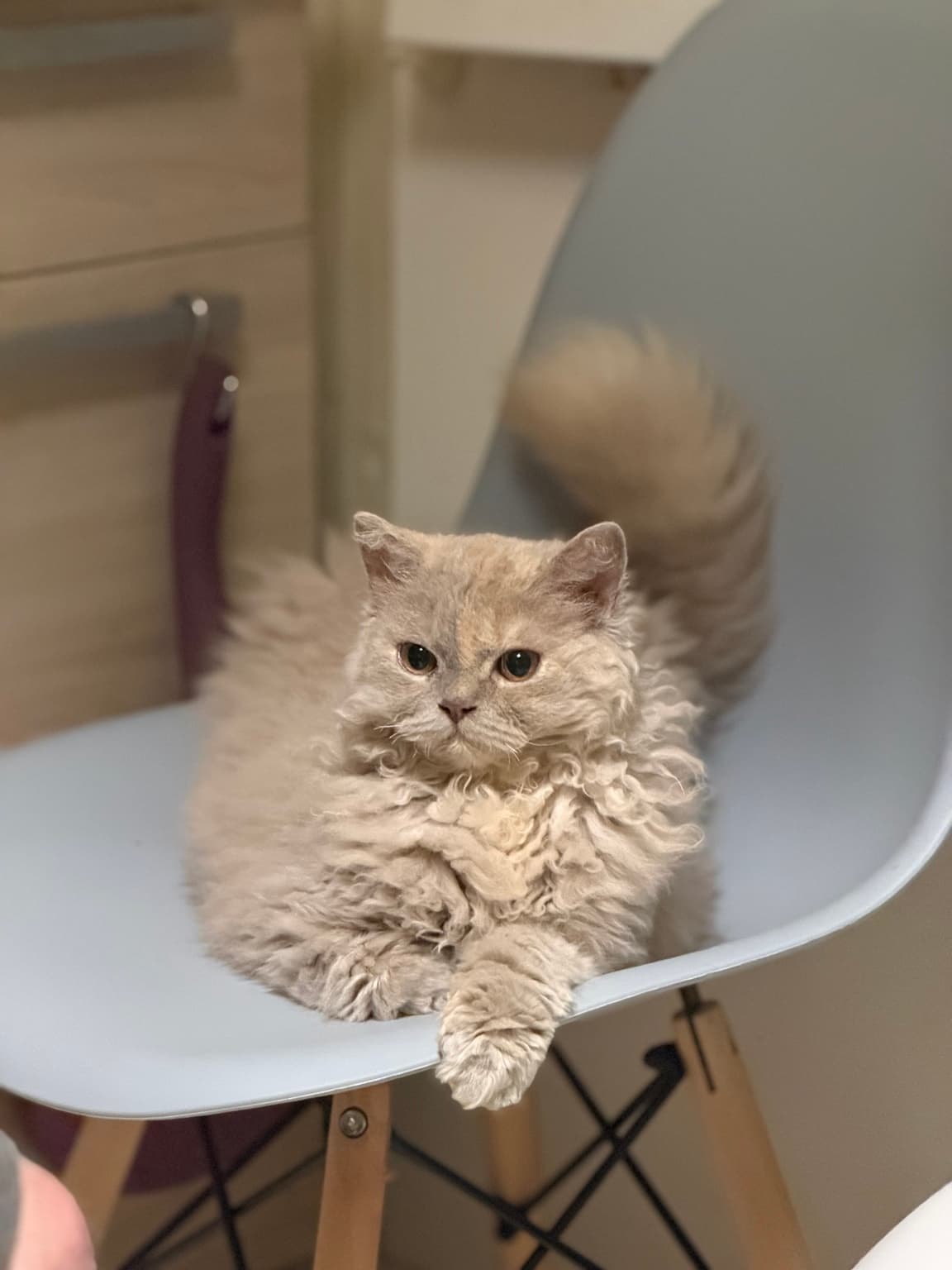
But then you come home.
And it is worth remembering that someone has, after all, been waiting for you.
Selkirks are very tactful cats. They rarely demand attention forcefully. They may not shout, hang from your trouser leg or explain what a heartless person you are. That does not mean they do not need attention. They do — very much so.
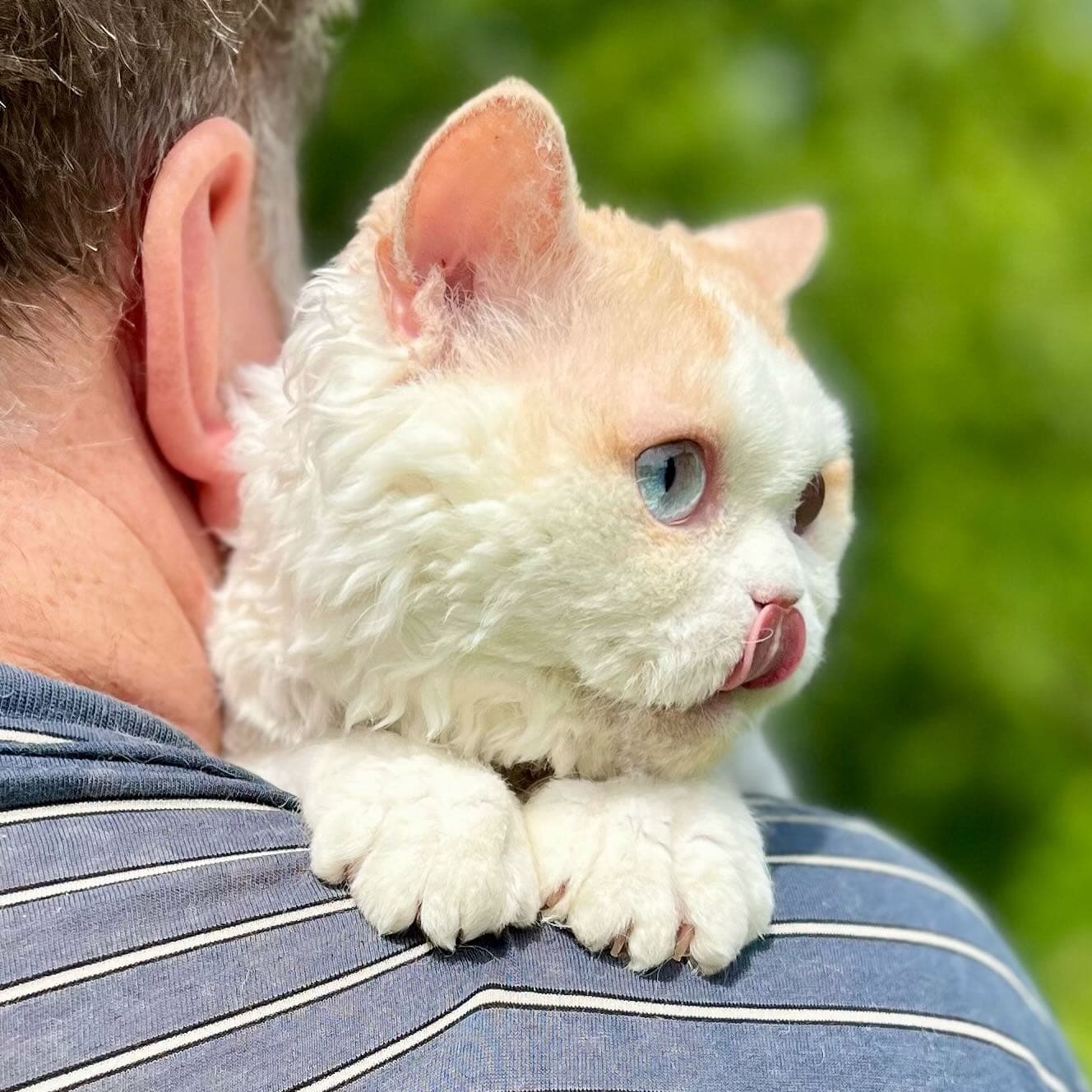
Someone who wants a cat purely as a beautiful piece of interior decoration has probably chosen the wrong breed.
Our owner may have children.
Selkirks are generally patient creatures and usually cope well with children’s noise, movement and endless urge to hug someone. But I always want to repeat one simple thing: a cat is not a toy.
Even the gentlest cat has claws. They can be frightened, try to escape or simply decide that they have had enough.
If a child is still very small and at that wonderful ‘grab it, pull it and see what happens’ stage, I would personally wait a little. Otherwise, I would supervise every interaction very closely.
The other difficulty is that Selkirks are not particularly good at playing the proud, unapproachable cat. Curiosity and the wish to be near people usually win. A Selkirk hides from the child, sits there for five minutes, thinks about it — and comes straight back out to see what is happening.
And then it all begins again.
Our owner is probably a bit of an aesthete.
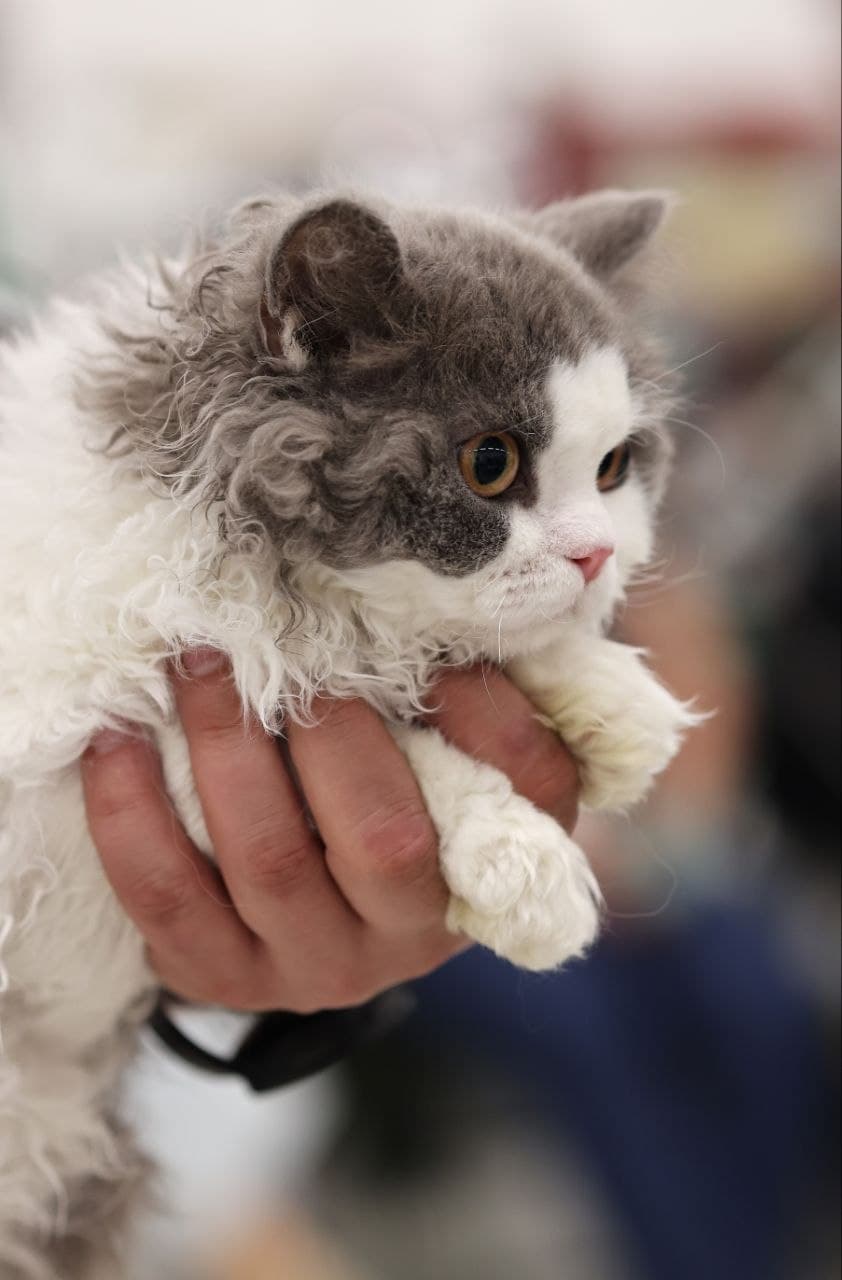
Yes, I know that sounds amusing. But I think people who choose Selkirks tend to see feline beauty a little differently.
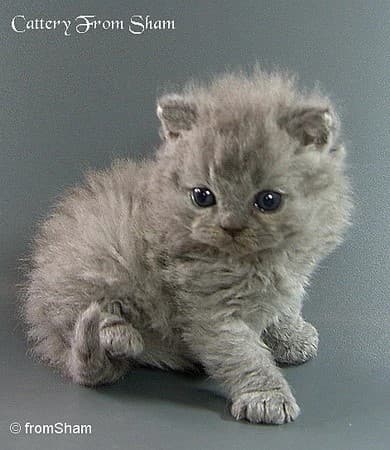
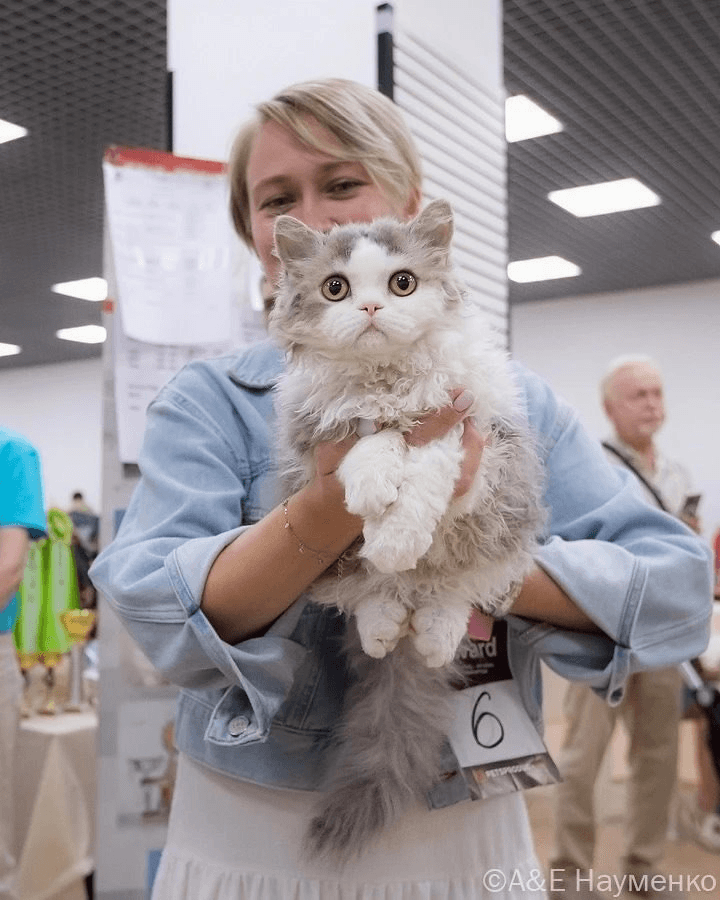
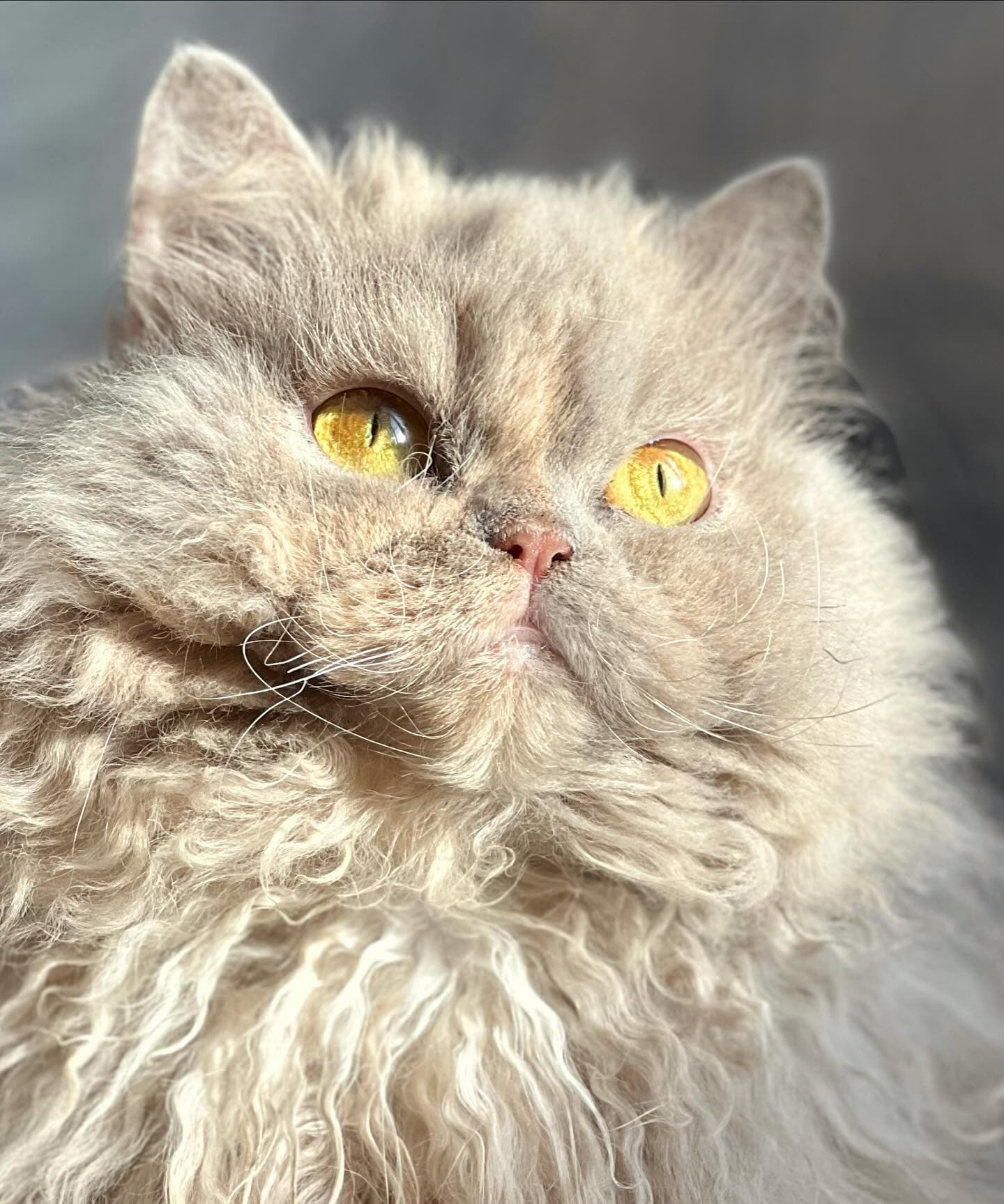
The Selkirk is not about a predatory look, enormous size or studied exoticism. Everything about the breed feels somehow cosy: the round face, large eyes, plush body and curls. This is especially true when an adult longhaired Selkirk grows a full coat and becomes almost a walking cloud.
Behind that toy-like appearance, however, is a real cat with a character, habits and opinions of their own.
That combination is one of the things I love most about the breed.
Our owner must be prepared to care for the coat.
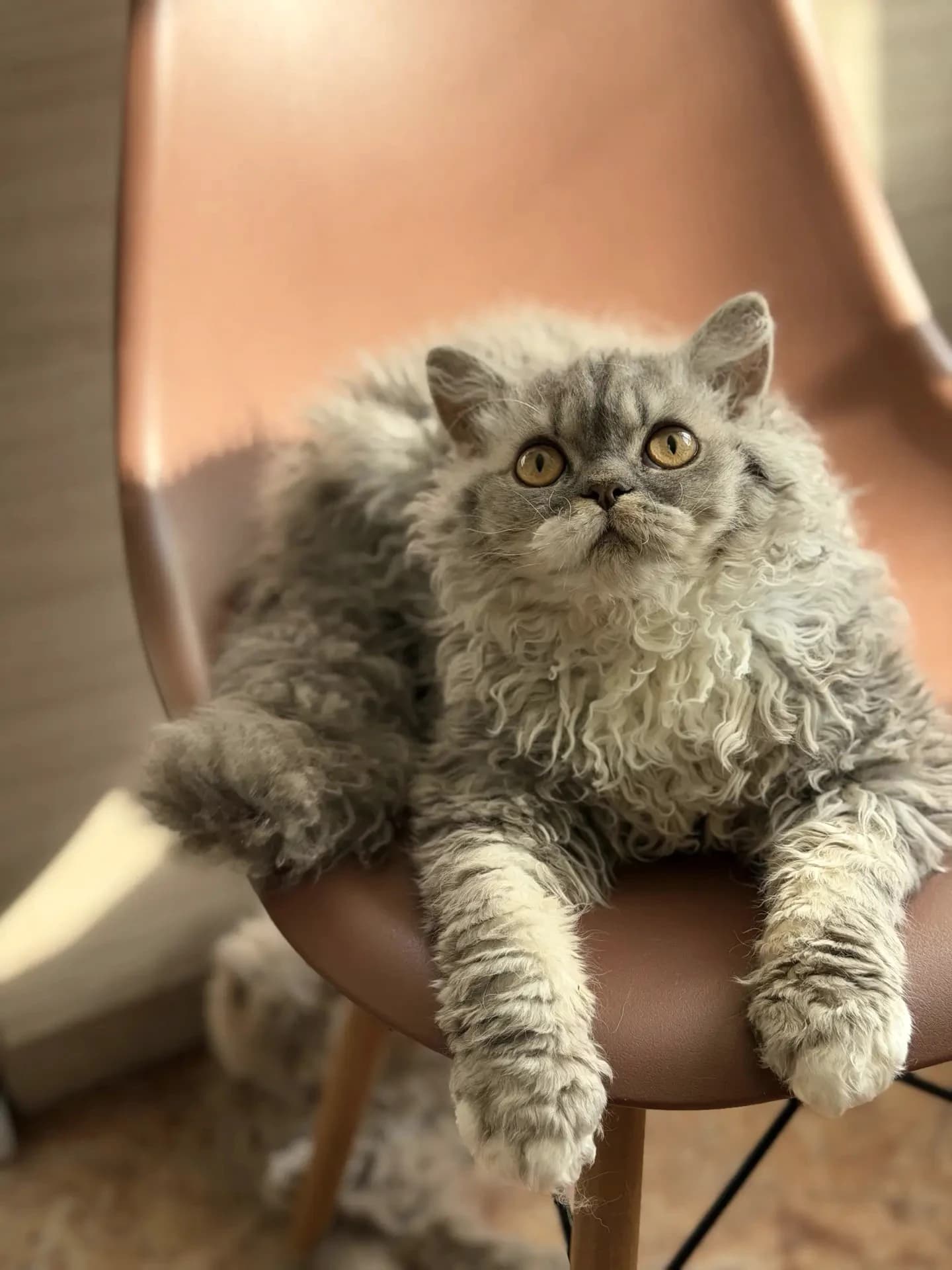
Do not be alarmed — I am not about to say that a Selkirk needs to spend two hours in the bath every Saturday. But a curly coat, especially a long one, does require some understanding.
There is an amusing catch here: an owner’s desire to ‘make it better’ can sometimes make things worse. Curls are not the sort of coat that should be brushed endlessly into a perfectly fluffed ball.
Selkirk grooming deserves a separate article because there is plenty to discuss.
If the very idea of washing a cat, checking the coat, claws and ears, or doing any regular grooming fills someone with horror, a less demanding animal may be a better choice.
And now for the most important point.
Our owner is a responsible person.
This is the one requirement on which I am not prepared to compromise.
A cat may live with you for fifteen years, sometimes longer. During that time everything can change: work, family, relationships, homes, countries and finances. Children are born; divorces and moves happen, along with a million other things that cannot be predicted when you buy a funny little kitten.
The kitten, however, does not disappear.
If circumstances genuinely make it impossible to continue living together one day, the owner’s responsibility is to make sure that their animal does not become a victim of those circumstances.
Do not pass the problem on to a child, former spouse, breeder, relatives or the rest of the world.
Solve it.
In the end, I would describe the ideal Selkirk owner quite simply.
They may be very busy or stay at home; live alone or have a large family; be noisy or quiet; be choosing their first cat or have lived with animals all their life.
That is not so important.
What matters is that they like these funny, curly creatures and want to live with them, not merely own them.
It is also helpful, of course, if they occasionally allow the cat to occupy their lap.
Although I suspect a Selkirk will arrange that without assistance.